By Bill Sohl Luxury Homes Team
Real estate is often described as a numbers business, and in many ways it is. But anyone who has walked through a home along Cypress Head's 62-acre lake, picturing morning coffee on a wide-water view, knows the decision rarely stays purely financial for long. Emotions when buying and selling a home shape far more of the process than most people expect, from how a seller prices a listing to which offer a buyer decides to write.
Key Takeaways
- Homeowners are staying put longer than ever, with a median ownership tenure of 11 years, an all-time high.
- Sellers tend to overvalue their own homes due to a well-documented psychological pattern called the endowment effect.
- Research shows sellers often favor buyers who seem like good caretakers over those offering the highest price.
- Moving is widely recognized as one of life's more disruptive transitions, which can affect decision-making on both sides.
- Balancing emotional attachment with practical judgment tends to produce the smoothest transactions.
Why Letting Go of a Home Takes Longer Than It Used To
The median length of time homeowners stay in a house before selling has climbed to 11 years, an all-time high. Part of that shift comes down to financial factors like the lock-in effect of low mortgage rates, but it also reflects something less quantifiable: without a strong motivating reason to move, most people simply don't.
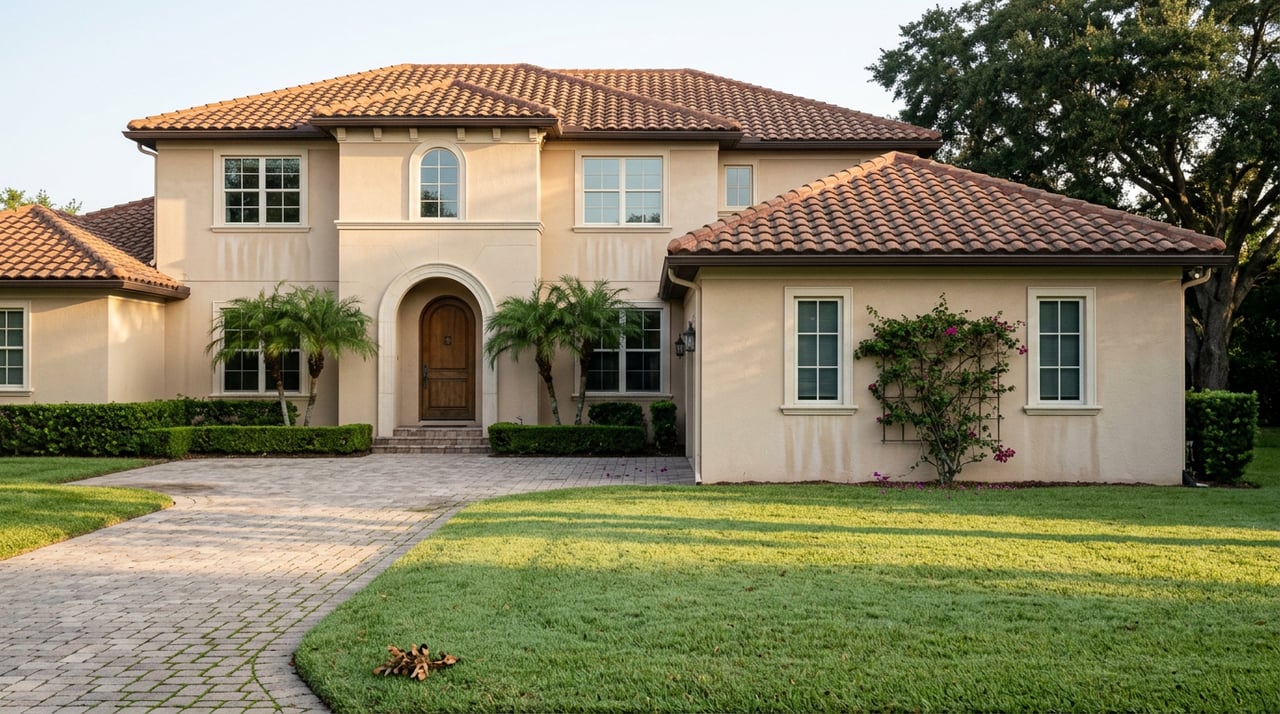
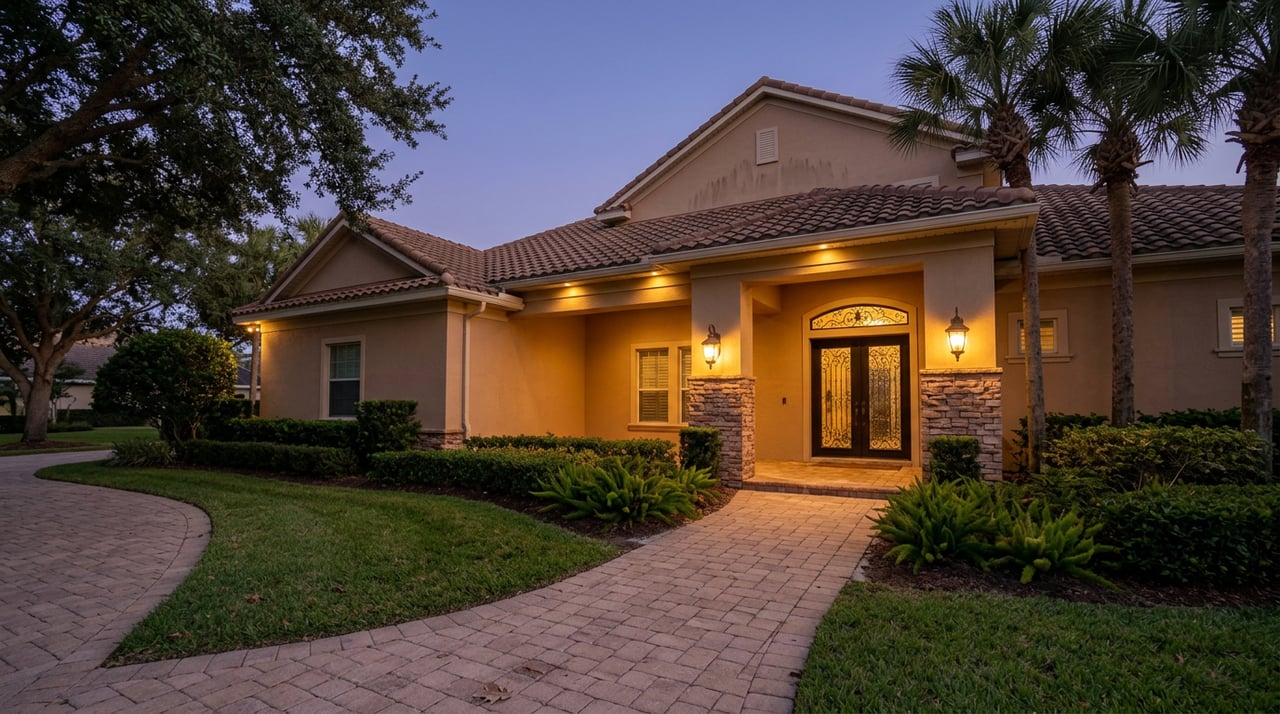
In a community like Parkland’s Cypress Head, where custom estates span everything from 1980s builds to newly constructed homes around the lake, long ownership tenures are common. Families settle in, build additions, plant gardens along the water, and years pass before a "for sale" sign ever goes up. That extended timeline naturally deepens the emotional stake in the eventual decision to sell.
In a community like Parkland’s Cypress Head, where custom estates span everything from 1980s builds to newly constructed homes around the lake, long ownership tenures are common. Families settle in, build additions, plant gardens along the water, and years pass before a "for sale" sign ever goes up. That extended timeline naturally deepens the emotional stake in the eventual decision to sell.
What longer tenure means for sellers
- More years in a home generally means more memories tied to specific rooms or features
- Longer ownership often comes with personal renovations that carry sentimental as well as financial value
- A slower path to selling gives more time for emotional readiness to catch up with practical timing
The Endowment Effect: Why Sellers See Their Home Differently Than Buyers Do
The Federal Reserve Bank of St. Louis describes a concept called the endowment effect: people tend to value things they own more highly than they would if they didn't own them. Applied to real estate, this explains a pattern seen constantly in listing prices. Sellers factor in their emotional attachment, their personal investments in repairs and upgrades, and a natural aversion to the idea of "losing" something familiar. Buyers, meanwhile, have none of that history, so they evaluate the same property purely on its current condition and market comparisons.
This gap is exactly why an objective, well-researched pricing strategy matters so much, especially for a one-of-a-kind lakefront estate in Cypress Head where no two homes are quite alike. What feels priceless to a seller based on years of memories still has to compete with what a buyer is actually willing to pay.
This gap is exactly why an objective, well-researched pricing strategy matters so much, especially for a one-of-a-kind lakefront estate in Cypress Head where no two homes are quite alike. What feels priceless to a seller based on years of memories still has to compete with what a buyer is actually willing to pay.
Signs the endowment effect might be at play
- Feeling resistant to a comparative market analysis that comes in lower than expected
- Emphasizing personal renovations or additions as though they'll carry the same value for a buyer
- Framing a lower offer as a "loss" rather than simply the market's current assessment
Sellers Aren't Just Chasing the Highest Offer
Research from Cornell's ILR School, surveying more than 500 home sellers and 529 real estate agents across 43 states, found something that runs counter to the assumption that sellers always take the highest bid. Sellers with strong emotional attachment to their home were more responsive to buyers who showed caretaking intentions, meaning buyers who seemed genuinely interested in maintaining the property, praised it sincerely, and avoided criticizing it during showings.
Notably, this attachment didn't typically translate into demanding a higher price. Instead, it shaped which buyers even made it to the negotiating table. For a legacy estate in Cypress Head that a family built and lived in for decades, this dynamic can matter just as much as the number on an offer sheet.
Notably, this attachment didn't typically translate into demanding a higher price. Instead, it shaped which buyers even made it to the negotiating table. For a legacy estate in Cypress Head that a family built and lived in for decades, this dynamic can matter just as much as the number on an offer sheet.
What this means for sellers and buyers alike
- Sellers may want to consider more than price alone when comparing multiple offers
- Buyers who express genuine appreciation for a home's history can stand out, even in a competitive situation
- A respectful, low-pressure approach during a showing can influence outcomes beyond the paperwork
Moving Is One of Life's More Disruptive Transitions
The Holmes and Rahe Stress Scale, developed by researchers Thomas Holmes and Richard Rahe, is a long-standing framework that assigns stress values to major life events, from the death of a spouse at the top of the list down through dozens of other changes people commonly experience. A change in living situation is among the life events the scale accounts for, which lines up with what most people who've been through a move already know: even a good move, one that's exciting and voluntarily chosen, still asks a lot of a person emotionally.
Recognizing that reality upfront, rather than being surprised by it partway through a transaction, tends to make the entire process easier to manage for buyers and sellers alike in Cypress Head and beyond.
Recognizing that reality upfront, rather than being surprised by it partway through a transaction, tends to make the entire process easier to manage for buyers and sellers alike in Cypress Head and beyond.
Ways to manage the stress of a transaction
- Build extra time into the timeline where possible, rather than compressing every step
- Acknowledge that feeling emotional about a major move is normal, not a sign something is wrong
- Lean on a real estate team that can absorb some of the logistical pressure
Making Room for Both Head and Heart in the Decision
None of this means emotions should be ignored or that decisions should be made purely on spreadsheets. A home in Cypress Head, with its lake views and mature, established landscape, is meant to be lived in and loved. The goal is simply awareness: understanding when attachment might be inflating a price expectation, or when a buyer's excitement might be outpacing their due diligence, so that both sides can make clear-eyed decisions they'll feel good about later.
Frequently Asked Questions About Emotions in Real Estate
Is it normal to feel emotional when selling a home I've lived in for years?
Yes. Longer ownership tends to deepen emotional attachment, and research shows this is a common and well-documented pattern rather than something unusual.
Should I let emotions influence which offer I accept as a seller?
It's reasonable to weigh more than price, including how a buyer seems likely to care for the home, but it's worth pairing that instinct with objective guidance on market value.
How can buyers avoid overpaying due to emotional excitement?
Leaning on comparable sales data and taking time before submitting an offer can help balance genuine enthusiasm for a home with a realistic sense of its market value.
Does emotional attachment ever affect how a home is priced?
It can. The endowment effect describes how owners often value their property more highly than the market will, which is one reason an outside, data-driven perspective on pricing is valuable.
Navigate Your Next Move With Bill Sohl Luxury Homes Team
Buying or selling a home in Cypress Head is rarely just a transaction. It's a decision shaped by memories, milestones, and what comes next, alongside the practical realities of price and timing. Understanding both sides of that equation tends to lead to better outcomes and less regret down the road.
If you're weighing a move in Cypress Head and want guidance that takes both the numbers and the emotional side seriously, connect with Bill Sohl Luxury Homes Team to talk through your next steps.
If you're weighing a move in Cypress Head and want guidance that takes both the numbers and the emotional side seriously, connect with Bill Sohl Luxury Homes Team to talk through your next steps.